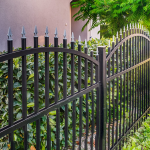

As summer approaches in Clarksville, so does storm season. Strong winds, heavy rain, and saturated soil can put serious stress on your fence—often exposing weaknesses that went unnoticed during the calmer months. Whether you have a vinyl fence, aluminum fence, chain link fence, or an aging wooden fence, now is the time to inspect and reinforce your system.
Storm preparation isn’t just about avoiding damage—it’s about protecting your investment, your property, and your peace of mind. With a few proactive steps and guidance from Clarksville Fencing, you can ensure your fence stands strong through whatever the summer weather brings.
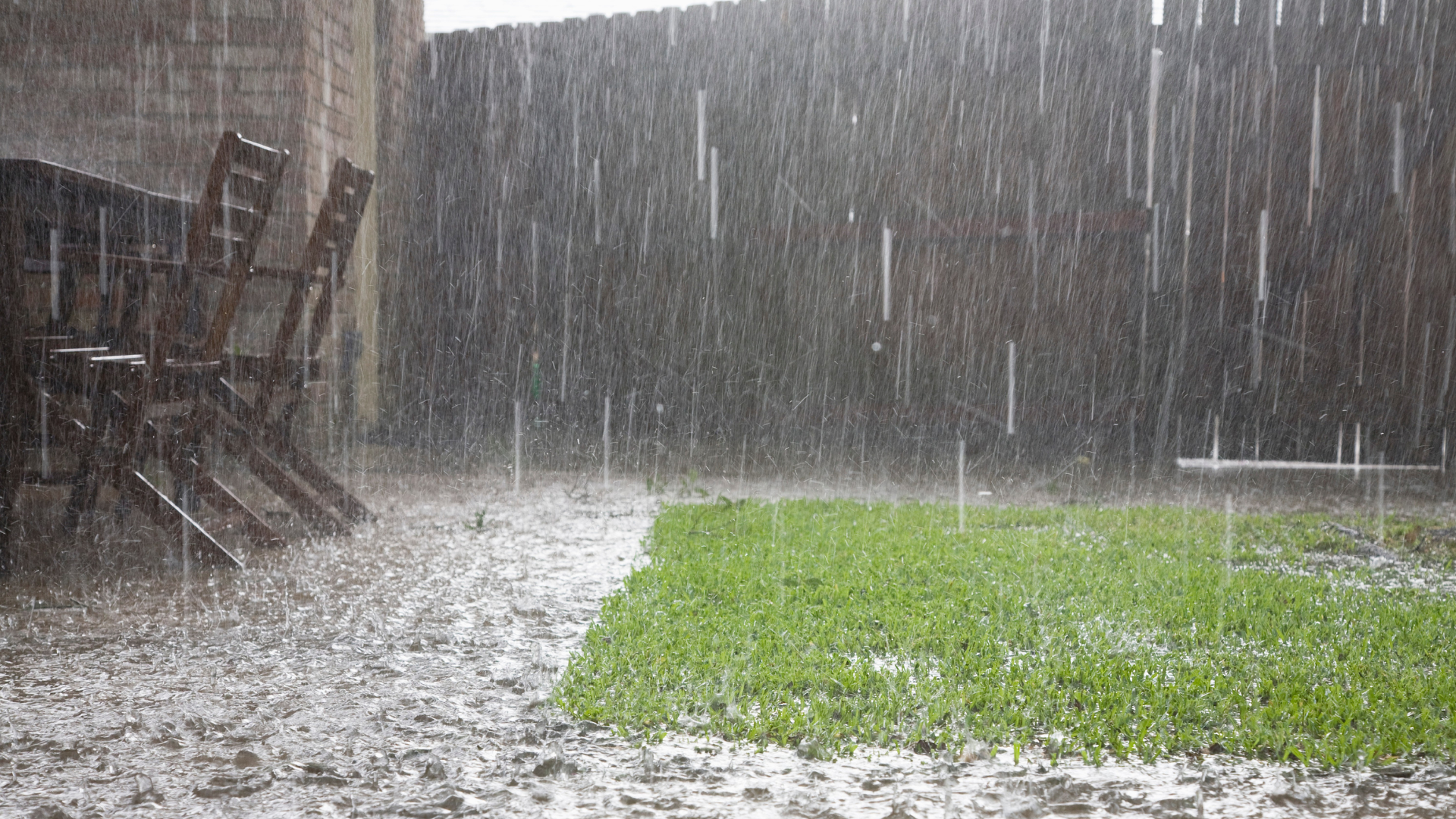
Why Summer Storms Are Tough on Fences
Summer storms bring a combination of forces that can compromise even well-built fences:
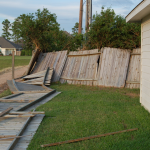
- High winds can loosen panels or cause sections to lean or collapse
- Heavy rainfall can erode soil around posts, weakening the foundation
- Soil saturation leads to shifting ground and unstable support
- Debris impact from branches or objects can crack or bend materials
Each type of fence reacts differently, but all require attention before severe weather arrives.
Step 1: Inspect Fence Posts for Stability
Your fence is only as strong as its posts. When soil becomes saturated during storms, it can loosen the ground holding your posts in place.
What to Look For
- Leaning or tilting posts
- Gaps between the post and soil
- Posts that wobble when pushed
- Sections of fence that appear uneven
Why It Matters
Loose posts are one of the most common causes of storm-related fence damage. If posts aren’t secure, even moderate wind can cause structural failure.
For long-term stability, professional fence installation includes properly set posts with adequate depth and drainage—something a local fence company in Clarksville can evaluate for you.
Step 2: Reinforce Panels and Rails
Fence panels and rails take the brunt of wind pressure. Over time, connections can loosen, making them more vulnerable during storms.
Material-Specific Tips
Vinyl Fence
- Check for cracked panels or loose connections
- Ensure all sections are securely locked into place
- Replace damaged pieces before storms worsen the issue
Aluminum Fence
- Inspect rails and pickets for bending or looseness
- Tighten screws and brackets
- Check for any areas where the protective coating is worn
Chain Link Fence
- Look for sagging sections or loose tension wire
- Ensure posts and top rails are firmly connected
- Repair any damaged mesh before it spreads
Wooden Fence
- Check for loose boards, nails, or warped panels
- Replace rotting or weakened sections
- Reinforce rails that may have loosened over time
Taking time to secure these components can significantly improve your fence’s ability to withstand wind.
Step 3: Address Drainage and Soil Shifting
Water is one of the biggest threats during storm season. Poor drainage can weaken the ground around your fence, leading to leaning or collapsed sections.
What to Check
- Areas where water pools near fence posts
- Soil erosion around the base of your fence
- Downspouts or runoff directed toward fence lines
How to Fix It
- Add gravel or soil to reinforce weak areas
- Redirect water flow away from fence posts
- Install proper drainage if needed
This is especially important for residential fence installation projects in areas prone to heavy rainfall.
Step 4: Strengthen Gates and Hardware
Fence gates are often the weakest point in the entire system. They experience daily use and are especially vulnerable to wind.
Common Issues
- Gates sagging or dragging
- Hinges becoming loose or rusted
- Latches not closing properly
What to Do
- Tighten all hardware and replace worn components
- Ensure gates are properly aligned
- Consider upgrading to stronger hinges or latching systems
A secure gate not only improves safety but also helps prevent storm-related damage from spreading to adjacent sections.
Step 5: Trim Nearby Trees and Remove Debris Risks
Storm damage often comes from above. Overhanging branches can break during high winds and fall onto your fence.
Preventative Actions
- Trim branches hanging over your fence line
- Remove loose yard items that could become airborne
- Keep the fence perimeter clear of debris
Even the strongest aluminum fence or chain link fence can be damaged by falling limbs if precautions aren’t taken.
Step 6: Consider Upgrading to More Durable Materials
If your current fence has already experienced wear or repeated repairs, storm season might be the right time to upgrade.
Vinyl Fence Benefits
- Resistant to moisture and rot
- Holds up well in rain and humidity
- Requires minimal maintenance
Aluminum Fence Benefits
- Strong and flexible under wind pressure
- Rust-resistant and long-lasting
- Ideal for both residential and commercial use
Chain Link Fence Benefits
- Highly durable and wind-resistant
- Allows airflow, reducing pressure during storms
- Cost-effective for larger properties
Wooden Fence Limitations
While traditional, wooden fences are more prone to storm damage due to moisture absorption, rot, and structural weakening over time.
Upgrading materials can reduce long-term maintenance and improve overall performance in extreme weather.
Step 7: Schedule a Professional Inspection
While DIY inspections are helpful, a professional evaluation can identify hidden issues before they become major problems.
A trusted local fence company in Clarksville can:
- Assess structural integrity
- Recommend repairs or upgrades
- Reinforce weak points
- Ensure your fence meets safety standards
If you’re considering a new fence installation, storm season is a great time to plan ahead before peak summer demand.
Why Preparation Matters
Storm damage isn’t just inconvenient—it can be expensive. Taking preventative steps now can help you avoid:
- Emergency repairs
- Property damage
- Safety hazards for pets and children
- Higher long-term costs
A strong, well-maintained fence protects your home, enhances your property, and gives you peace of mind when severe weather rolls in.
Be Ready Before the Storm
Storm season in Clarksville can be unpredictable, but your fence doesn’t have to be vulnerable. With proper preparation, regular inspections, and the right materials, you can significantly reduce the risk of damage.
Whether you’re reinforcing an existing fence or planning a new residential fence installation, now is the time to act. Request a quote today!