
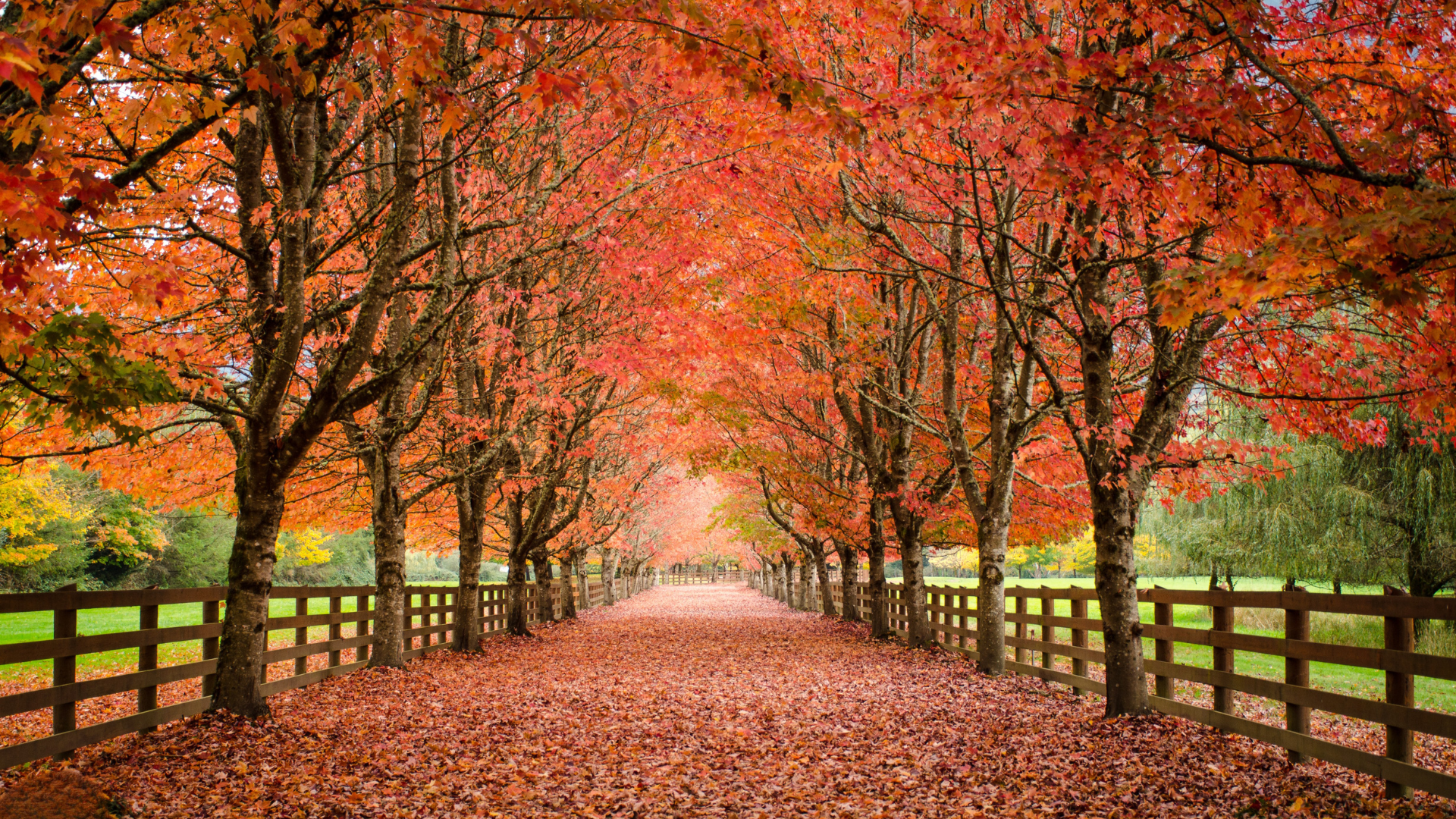
Fall can be an excellent time to improve your property with a new fence. Cooler temperatures make outdoor projects more comfortable, summer activities begin to slow down, and completing your fence before winter means your yard will already be secure and ready when spring returns.
However, successful fence installation requires more than simply choosing a fence style. Decisions about property boundaries, gates, pets, landscaping, privacy, and materials can all affect the finished project.
If you’re considering residential fence installation this fall, here are seven important things to think about before getting started.
1. Confirm Your Property Lines
Before installing any fence, make sure you know exactly where your property begins and ends. Existing landscaping, mowing patterns, or an old wooden fence should not automatically be treated as proof of the legal property boundary.
Depending on your property and circumstances, you may need to review your deed or survey or work with a qualified surveyor to confirm boundaries.
It’s also important to research applicable local requirements and any HOA restrictions before choosing the fence’s location, height, and design. A knowledgeable local fence company in Clarksville can help you understand what considerations may apply to the installation, but property owners should verify the specific requirements for their property.
2. Think Carefully About Gate Placement
Gates can have a major impact on how convenient your new fence is to use. Before installation begins, think about how people, equipment, and vehicles move through your property.
You may want gates near:
- Driveways
- Patios or decks
- Side entrances
- Garden areas
- Utility spaces
- Areas accessed by lawn equipment
Gate width matters, too. A narrow walk-through gate may be perfect for everyday use, while lawn tractors, trailers, or other equipment may require a wider opening.
Planning these details before fence installation helps prevent inconvenient changes later.
3. Consider Your Pets
If you have pets, their size, habits, and temperament should influence your fencing decision.
For dogs that like to run or explore, a chain link fence can provide durable containment while maintaining visibility. A vinyl fence offers a more private enclosure and can reduce outside visual distractions. Depending on its spacing and design, an aluminum fence can also create an attractive enclosed yard.
Think about whether your pet likes to jump, dig, squeeze through small spaces, or react to people and animals outside the yard. Fence height, picket spacing, gaps at ground level, and secure gate latches should all be considered during your residential fence installation.
4. Decide How Much Privacy You Want
Ask yourself what you want your new fence to accomplish. Is your priority simply defining your property, or do you want to create a secluded backyard retreat?
For maximum privacy, a solid vinyl fence is an excellent low-maintenance option. It can block unwanted sightlines around patios, hot tubs, pools, and backyard gathering areas.
An aluminum fence, on the other hand, provides an open design that preserves views and complements landscaping. Chain link also maintains visibility and can be an economical choice for larger areas.
Determining your privacy needs early will make choosing a material and design much easier.
5. Plan Around Existing and Future Landscaping
Fall is a great season to think about how your fence will fit into your overall landscape design.
Take note of existing:
- Trees
- Shrubs
- Flower beds
- Gardens
- Retaining walls
- Patios
- Irrigation systems
Plants that look small today may eventually grow into the fence, so consider their mature size. Large roots can also affect where posts can safely and effectively be installed.
If you’re planning new landscaping for spring, installing your fence first can provide a clear framework around which you can design beds, walkways, and outdoor living areas.
6. Choose a Material for Long-Term Needs
Fence material affects appearance, privacy, maintenance, and long-term ownership costs.
Aluminum Fence
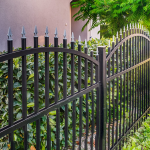
An aluminum fence offers an elegant appearance with minimal maintenance. It resists rust and works especially well where homeowners want security without blocking views.
Vinyl Fence
A vinyl fence provides excellent privacy while eliminating the need for staining, sealing, or painting. It also resists rot and moisture, making it an appealing alternative to wood.
Chain Link Fence
A chain link fence is durable, practical, and cost-effective. It’s particularly useful for pet containment, larger yards, and properties where security is the primary concern.
Think beyond the initial appearance and consider how much maintenance you’re willing to handle in the future.
7. Schedule Your Fall Installation Early
Fall can be an attractive time for fencing projects, but that doesn’t mean you should wait until the last minute.
Installation timelines can depend on contractor schedules, material availability, project size, weather, and site conditions. Starting the conversation with a local fence company early gives you more time to finalize the design, prepare the property, and address any requirements before work begins.
Scheduling early is especially useful if you want your fence completed before holiday gatherings or colder winter conditions arrive.
Start Planning Your Clarksville Fence Installation
A little preparation can make your fall fence installation much smoother. By considering your property lines, gate placement, pets, privacy goals, landscaping, preferred materials, and project schedule beforehand, you’ll be better prepared to choose a fence that serves your property for years.
Whether you’re interested in an aluminum fence, vinyl fence, or chain link fence, working with an experienced local fence company in Clarksville can help turn your plans into a durable, attractive finished project.
If you’re considering a new residential fence installation this fall, contact our team to discuss your property, explore your fencing options, and request a quote!