
Colorful fall leaves are one of the highlights of the season, but once they hit the ground, they can create extra work around your property. While raking lawns and clearing gutters may already be on your fall maintenance list, there’s another area that deserves attention: your fence line.
When fallen leaves, grass clippings, branches, and other organic debris accumulate around a fence, they can trap moisture against the material and surrounding soil. Over time, this may contribute to deterioration, staining, drainage problems, or unstable posts.
Whether you have an aluminum fence, chain link fence, vinyl fence, or wooden fence, keeping the area clear is a simple way to protect your investment. For homeowners in Clarksville, adding fence cleanup to your regular fall routine can help prepare your property for the wetter, colder months ahead.
Why Wet Leaves Can Cause Problems
A few dry leaves around your fence aren’t usually a concern. The problem begins when layers of leaves accumulate and become soaked by fall rain.
Dense piles of wet leaves can hold moisture for extended periods, particularly in shaded areas where they dry slowly. They may also prevent the soil underneath from drying normally.
Trapped Moisture Around Fence Posts
Fence posts depend on stable surrounding soil for support. When debris contributes to persistently wet conditions around the base of posts, drainage issues can become more noticeable.
Watch for:
- Standing water near posts
- Soft or muddy soil
- Soil erosion
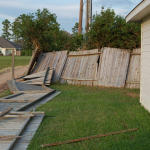
- Posts beginning to lean
- Areas where runoff collects along the fence
Catching these problems early can help prevent more significant repairs later.
How Leaves Affect Different Fence Materials
Different materials react to moisture and debris in different ways.
Wooden Fence
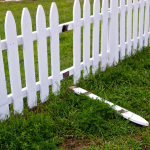
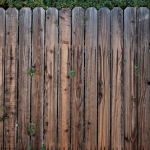
A wooden fence is particularly vulnerable to prolonged moisture because wood can absorb water. Wet leaves piled against boards and posts can keep surfaces damp longer, contributing to rot, mold, discoloration, and deterioration.
Regular cleanup is especially important around an older wooden fence.
Vinyl Fence
A vinyl fence doesn’t absorb water or rot like wood, making it a much lower-maintenance option. However, piles of wet leaves can still leave dirt, organic residue, or staining on the surface.
Clearing debris and occasionally washing the fence can help preserve its clean appearance.
Aluminum Fence
An aluminum fence is another excellent low-maintenance option. Aluminum doesn’t rot and is naturally resistant to rust, while quality finishes provide additional protection.
Even so, keeping the fence line clear makes maintenance easier and allows you to spot loose hardware, damaged sections, or drainage problems around the posts.
Chain Link Fence
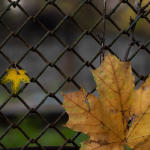
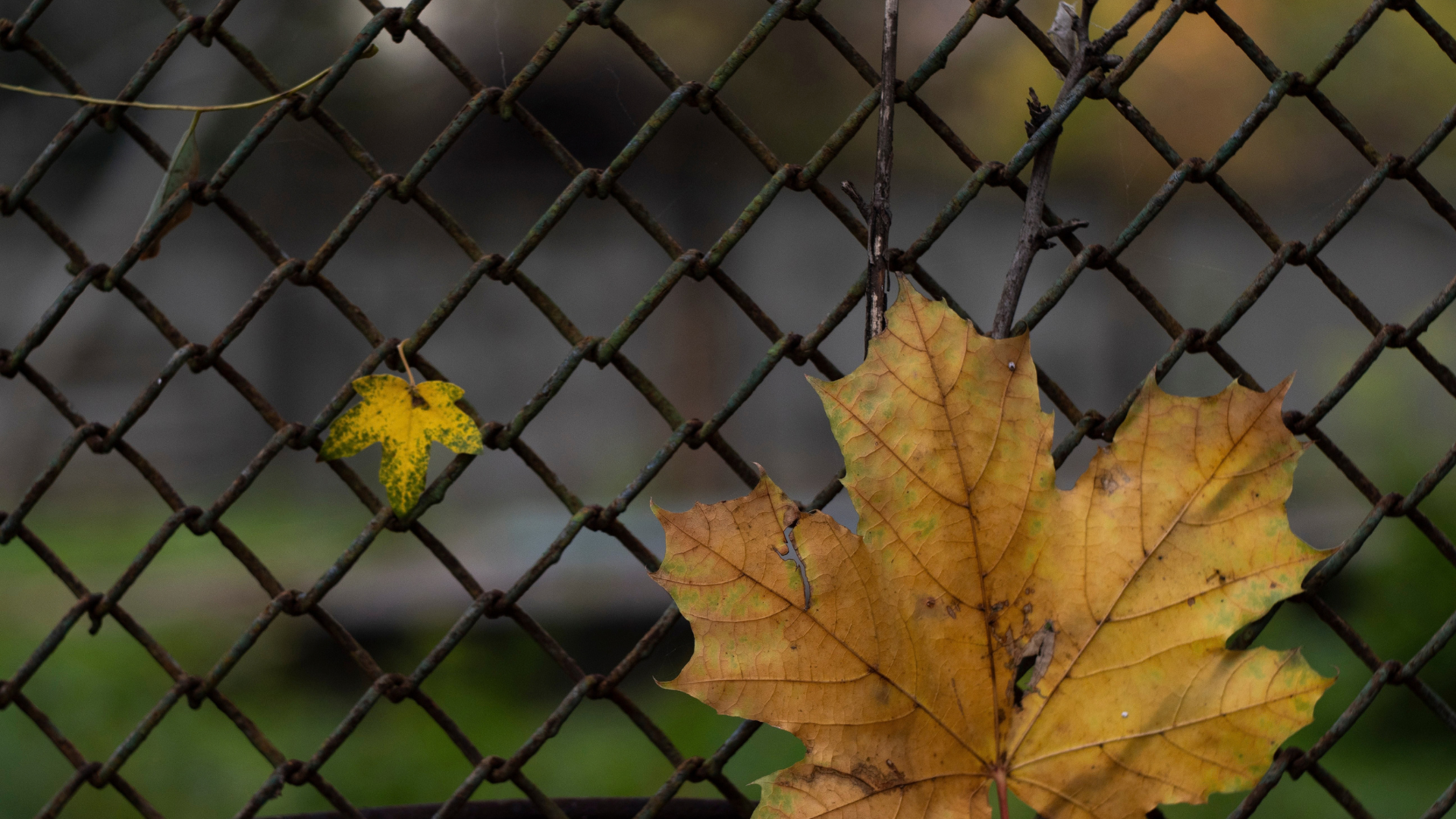
A chain link fence is durable and well suited to changing weather conditions. Leaves, vines, and branches, however, can become caught in the mesh.
Removing this debris keeps the fence looking neat and makes it easier to inspect the fabric, posts, rails, and connections for damage.
Keep Leaves Away from Gates
Don’t overlook your gates during fall cleanup. Leaves and debris can accumulate around the bottom of a gate and interfere with its movement.
Periodically clear the area and make sure the gate:
- Opens and closes freely
- Latches securely
- Isn’t dragging against the ground
- Has tight hinges and hardware
A gate that suddenly becomes difficult to operate could also indicate that a post has shifted, so investigate the cause rather than simply forcing it closed.
Don’t Forget About Drainage
Cleaning up leaves gives you an excellent opportunity to inspect drainage around your fence.
After heavy rain, look for places where water collects along the fence line. Downspouts, landscaping, slopes, and compacted soil can sometimes direct water toward fence posts.
If you notice repeated pooling or erosion, addressing the drainage problem can help protect the stability of your fence.
Proper drainage is also an important consideration during a new fence installation. A professional local fence company can evaluate site conditions when planning your project and determine the appropriate installation approach for your property.
Make Fence Cleanup Part of Your Fall Routine
Fortunately, protecting your fence doesn’t require complicated maintenance. A few simple habits can make a difference.
Throughout the fall:
- Rake leaves away from the fence line regularly.
- Remove branches and other storm debris.
- Trim vegetation growing against or through the fence.
- Check the bases of posts for standing water or erosion.
- Clean dirt and organic residue from fence surfaces as needed.
- Inspect gates, panels, rails, and hardware while you’re working.
Frequent light cleanup is usually easier than removing months of compacted, wet debris at the end of the season.
Is It Time for a Lower-Maintenance Fence?
Fall maintenance may also reveal that an older fence is becoming difficult to maintain. If you’re repeatedly dealing with rot, damaged boards, unstable posts, or other problems, it may be time to consider replacement.
Modern residential fence installation offers several low-maintenance alternatives. A vinyl fence provides privacy without the staining and sealing associated with wood. An aluminum fence delivers attractive, long-lasting performance, while a chain link fence offers practical durability and security.
Choosing the right material can mean less maintenance next fall—and throughout the rest of the year.
Protect Your Fence This Fall
Keeping fallen leaves away from your fence is a small task that can help prevent bigger problems. A clean fence line makes it easier to control moisture, monitor drainage, identify damage, and keep your property looking its best.
If fall cleanup reveals loose posts, damaged sections, or signs that your existing fence has reached the end of its useful life, professional help can determine the next step.
As a trusted local fence company serving Clarksville, our team can help with everything from evaluating your existing fence to planning a new fence installation. Contact us today to learn more about durable, low-maintenance fencing options for your property. Request a quote today!