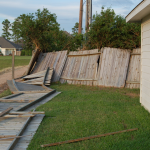

Summer thunderstorms can be tough on your property. Strong winds, heavy rainfall, falling branches, and saturated ground can all leave a fence weakened—even when the damage isn’t immediately obvious. Before fall arrives, taking a walk around your property can help you identify small problems before cooler, wetter weather makes them worse.
Whether you have an aluminum fence, chain link fence, vinyl fence, or wooden fence, a late-summer inspection is a smart way to protect your investment. If you discover significant damage, a professional local fence company in Clarksville can determine whether repairs or a new fence installation make the most sense.
1. Look for Leaning or Unstable Fence Posts
Fence posts provide the structural support for the entire fence, making them one of the first things to inspect after a stormy summer.
Why Posts Begin to Lean
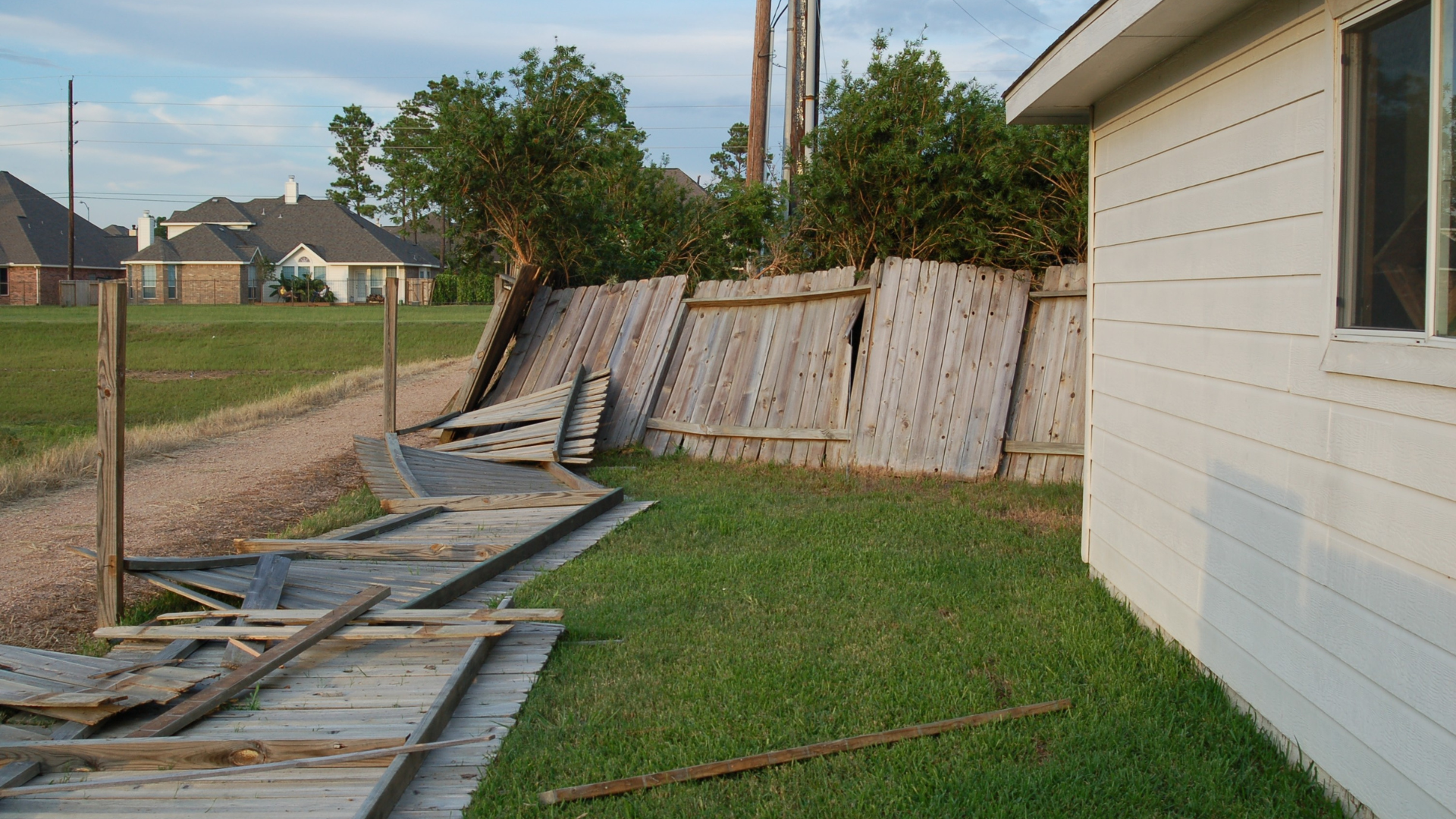
Heavy rainfall can saturate the soil surrounding fence posts. When soil becomes soft or begins to erode, posts may shift. High winds can make the problem worse by repeatedly putting pressure on the fence.
Walk along your fence and look for posts that appear tilted or sections that are no longer straight. Gently check questionable posts for movement without putting excessive force on them.
One slightly loose post may be repairable. Multiple leaning posts, however, can indicate a larger structural problem. If instability is widespread, it may be worth discussing residential fence installation rather than repeatedly repairing an aging fence.
2. Inspect Panels, Rails, and Pickets for Damage
Wind and flying debris can damage individual fence sections without causing the entire structure to fail.
Vinyl Fence
A vinyl fence is highly resistant to moisture and rot, but strong impacts from tree limbs or debris can crack panels or damage rails. Check for cracks, loose sections, and panels that have shifted out of position.
Aluminum Fence
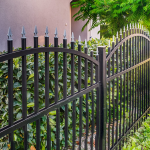
An aluminum fence offers excellent weather resistance and won’t rot from summer rain. However, severe storms can bend pickets or rails, particularly if large branches fall onto the fence. Inspect connections and gates as well as the visible fence sections.
Wooden Fence
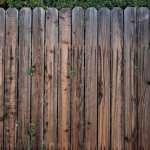
A wooden fence can be particularly vulnerable after a wet summer. Look for cracked boards, loose pickets, warping, and areas of rot. Repeated exposure to rain and humidity can weaken wood and make existing damage worse.
Addressing damaged panels now helps prevent minor problems from turning into larger repairs during fall and winter.
3. Check Your Chain Link Fence for Loose Fabric
A chain link fence is known for durability and performs well during windy conditions because its open design allows air to pass through. Still, severe weather can loosen the fabric or damage its supporting components.
Inspect your chain link fence for:
- Sagging or loose mesh
- Bent top rails
- Damaged tension bands
- Loose connections
- Leaning terminal or line posts
- Areas where the fabric has pulled away from the framework
Loose chain link fabric isn’t just unattractive. It can create openings that make the fence less effective for security or pet containment. Tightening and repairing these areas before fall restores the fence’s function and appearance.
4. Pay Attention to Drainage Problems
Not all storm damage happens above ground. Some of the most serious problems begin beneath your fence.
Look for Standing Water
Walk the fence line after rainfall and watch for puddles around posts. Persistent standing water may indicate inadequate drainage and can gradually undermine the soil supporting your fence.
Watch for Erosion
Heavy runoff can wash soil away from fence posts, leaving their foundations less stable. Look for exposed concrete, channels in the soil, or gaps around posts.
Also check whether gutters, downspouts, landscaping, or slopes are directing water toward your fence. Correcting drainage issues can help prevent repeated damage.
5. Don’t Forget the Gates
Gates receive frequent use and can quickly reveal whether storm-related soil movement has affected your fence.
Open and close each gate and check for:
- Sagging
- Dragging along the ground
- Difficulty latching
- Loose hinges
- Misalignment
A gate that suddenly stops closing correctly may indicate that a nearby post has shifted. Addressing the underlying issue is more effective than simply adjusting the latch.
Repair or Replace?
After completing your inspection, consider the overall condition of your fence. A few damaged components can often be repaired. However, widespread deterioration, multiple unstable posts, or frequent repairs may indicate that replacement is a better investment.
If replacement is necessary, low-maintenance options provide several advantages. A vinyl fence offers excellent privacy and moisture resistance, while an aluminum fence combines weather resistance with attractive, open styling. A chain link fence provides dependable security, airflow, and affordability. These options also eliminate many of the ongoing maintenance concerns associated with an aging wooden fence.
Get Your Fence Ready for Fall
Late summer is the ideal time to evaluate what months of storms, rain, and wind may have done to your fence. Checking posts, panels, chain link fabric, gates, and drainage now gives you time to make necessary repairs before fall weather arrives.
If you’re unsure whether damage can be repaired or it’s time for a new fence installation, professional guidance can help. A trusted local fence company in Clarksville can inspect your existing fence and recommend the right solution for your property.
Whether you need a simple repair or complete residential fence installation, taking action now can help ensure your fence remains secure, attractive, and ready for the seasons ahead. Ready to get started? Request a quote today!