
As temperatures begin to drop in Clarksville, homeowners often turn their attention to preparing their properties for winter. While gutters, landscaping, and outdoor plumbing may be high on the checklist, your fence deserves attention too.
Summer storms, heavy rain, heat, and everyday wear can leave a fence weakened by fall. Addressing those problems before winter arrives can help prevent additional damage and unexpected repairs. The question is whether your existing fence simply needs a few fixes or whether it’s time for a complete fence installation.
By considering your fence’s age, repair history, structural condition, maintenance expenses, and material, you can make a more informed decision.
1. Start with the Age of Your Fence
Age is an important factor, but it shouldn’t be considered by itself. A relatively new fence with one damaged section may have many years of service remaining. An older fence experiencing problems throughout the property may be approaching the end of its practical lifespan.
Ask yourself:
- How old is the fence?
- Has it been properly maintained?
- Are problems becoming more frequent?
- Is damage limited to one area or spread throughout the fence?
If an aging fence needs repairs every season, replacement may provide better long-term value than continuing to fix individual problems.
2. Evaluate Structural Damage
Some fence problems are cosmetic. Others affect the strength and stability of the entire system.
Warning Signs to Watch For
Inspect your fence for:
- Leaning or unstable posts
- Sagging sections
- Broken rails
- Cracked or damaged panels
- Loose connections
- Misaligned gates
- Erosion around posts
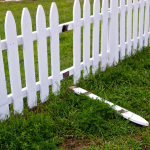
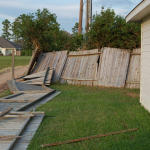
A single loose post or damaged panel may be repairable. Multiple leaning posts or failing sections can signal a larger structural problem.
Winter precipitation, freezing conditions, and shifting soil can place additional stress on an already weakened fence, so significant structural concerns are worth addressing during fall.
3. Consider How Often You’re Making Repairs
Occasional fence repairs are normal. Constant repairs aren’t.
Think about how many times you’ve worked on your fence during the past few years. If you’re regularly replacing boards, repairing gates, resetting posts, or fixing damaged sections, those costs can begin to add up.
At some point, continuing to repair an aging fence may be less economical than investing in a new residential fence installation.
Replacement can also eliminate the inconvenience of constantly wondering which part of the fence will need attention next.
4. Look at the Condition of the Material
Different fencing materials develop different problems as they age.
Wooden Fence
A wooden fence is especially vulnerable to moisture, rot, splitting, and warping. Individual damaged boards can sometimes be replaced, but widespread deterioration can make continued repairs impractical.
Wood also requires ongoing painting, staining, or sealing, adding to long-term maintenance.
Vinyl Fence
A vinyl fence requires much less maintenance because it doesn’t rot or need painting. An isolated damaged panel may be replaceable without affecting the rest of the fence.
If posts are shifting or damage is widespread, however, a larger repair or replacement may be necessary.
Aluminum Fence
An aluminum fence offers excellent resistance to rust and weather-related deterioration. Minor damage may be limited to individual sections or hardware.
Significant impact damage or widespread post movement should be evaluated professionally.
Chain Link Fence
A chain link fence is known for durability and can often be repaired when problems are isolated. Loose fabric, bent rails, or damaged hardware may not require complete replacement.
If the fence has numerous unstable posts or extensive damage, replacement may make more sense.
5. Calculate the Real Cost of Maintenance
When deciding between repair and replacement, don’t consider only the cost of today’s repair. Think about what maintaining the fence will require over the next several years.
Expenses may include:
- Replacement boards or panels
- Hardware
- Professional repairs
- Paint, stain, or sealant
- Cleaning supplies
- Your time spent performing maintenance
An older wooden fence, for example, may continue requiring significant maintenance even after the immediate damage is repaired. Upgrading to a low-maintenance vinyl fence, aluminum fence, or chain link fence could reduce those ongoing expenses.
When Does Fence Repair Make Sense?
Repair is often practical when the fence is otherwise structurally sound and the damage is limited.
Examples might include:
- One damaged panel
- A loose post
- A sagging gate
- Damaged hardware
- A small section affected by a fallen branch
Addressing these problems promptly can help prevent damage from spreading.
When Should You Consider Fence Replacement?
A new fence installation may be worth considering when you notice several problems occurring together.
Replacement may make sense if:
- Repairs are becoming frequent
- Multiple posts are unstable
- Damage appears throughout the fence
- Maintenance costs continue increasing
- The existing material no longer suits your needs
Replacing the fence also gives you an opportunity to improve privacy, security, curb appeal, or pet containment.
Get a Professional Opinion Before Winter
If you’re having trouble deciding between repair and replacement, an experienced local fence company can evaluate the entire system rather than focusing on a single damaged area. Professional guidance can help you determine whether repairs can realistically extend the life of your fence or whether replacement would offer better long-term value.
For homeowners in Clarksville, fall is a good time to make this assessment before winter weather arrives. Whether your fence needs a straightforward repair or you’re considering a complete residential fence installation, addressing the issue now can help keep your property secure throughout winter and beyond.
If replacement is the right choice, upgrading from an aging wooden fence to a durable vinyl fence, aluminum fence, or chain link fence can provide years of reliable performance with significantly less maintenance. Ready to get started? Request a quote today!