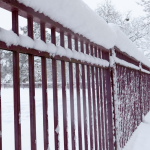

Winter can be deceptively harsh on fences. Even when snowfall is light, freezing temperatures, moisture, wind, and repeated freeze-thaw cycles can all take a toll on your fencing system. Unfortunately, many types of fence damage develop gradually and go unnoticed until they become costly problems.
That’s why spring is the perfect time for a thorough fence inspection. Whether you have a vinyl fence, aluminum fence, chain link fence, or wooden fence, catching issues early can save you significant time and money.
As a trusted local fence company in Clarksville, we’ve seen firsthand how winter conditions affect different fence materials. This practical checklist will help homeowners evaluate their fences and determine whether simple maintenance, repairs, or even new fence installation may be necessary.
Why Winter Causes Hidden Fence Damage
Before diving into the checklist, it’s helpful to understand why winter is so demanding on fencing structures.
Winter weather commonly causes:
- Soil movement from freezing and thawing
- Moisture infiltration from snow and rain
- Material contraction and expansion
- Wind stress on panels and posts
- Hardware corrosion
Even the most durable fences benefit from seasonal inspections.
Step 1: Inspect Fence Posts for Stability
Fence posts are the foundation of your entire fencing system. When winter moisture freezes, the expanding ground can push posts upward or shift them slightly — a process called frost heave.
What to Look For
Walk your fence line and check for:
- Posts leaning or tilting
- Visible gaps at the base
- Loose or wobbly movement
- Uneven fence sections
Why This Matters
Unstable posts can affect gate alignment, panel strength, and long-term fence durability. Post issues are common in older wooden fences, but can also impact vinyl fences and chain link fences if drainage is poor.
Step 2: Examine Panels, Rails, and Sections
Different fencing materials react differently to cold weather. Spring is the time to identify warping, cracking, or separation.
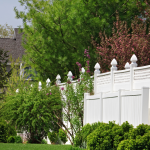
Vinyl Fence Inspection
Vinyl fencing is highly resistant to moisture but may become more brittle in extreme cold.
Check for:
- Cracks or hairline fractures
- Loose panel connections
- Discoloration or staining
- Warped sections
Even minor winter impacts — like fallen branches — can cause small structural damage.
Aluminum Fence Inspection
An aluminum fence performs very well in winter, but you should still check for:
- Bent pickets or rails
- Loose fasteners or joints
- Scratches exposing bare metal
- Gate alignment issues
Aluminum is rust-resistant, but damaged coatings should be addressed promptly.
Chain Link Fence Inspection
A chain link fence is extremely durable, yet winter weather can still cause:
- Sagging fence fabric
- Loose tension wire
- Leaning posts
- Rusting hardware
Snow buildup and soil movement can subtly affect fence tension.
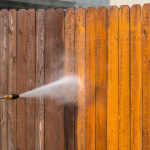
Wooden Fence Inspection
Wooden fences are typically the most vulnerable after winter.
Look carefully for:
- Rotting boards
- Splitting or cracking wood
- Warped pickets
- Loose nails or fasteners
- Mold or mildew growth
Moisture absorption during winter often accelerates deterioration.
Step 3: Check for Rust, Corrosion, and Hardware Wear
Metal components play a critical role in fence performance. Cold, moisture, and debris can accelerate corrosion.
Inspect:
- Hinges
- Latches
- Gate hardware
- Fasteners and brackets
- Tension bands
Rusting parts weaken structural integrity and can compromise security.
Step 4: Evaluate Fence Gates Carefully
Fence gates are high-stress components used daily. Winter ground movement often affects their alignment.
Common Spring Gate Issues
- Gates dragging on the ground
- Difficulty latching
- Sagging frames
- Stiff or noisy hinges
Gate problems often signal post movement or hardware loosening.
Step 5: Look for Gaps, Openings, and Escape Risks
Winter conditions can create small but important gaps.
Walk your fence perimeter and check for:
- Spaces beneath panels
- Loose sections
- Widened openings
- Damage near ground level
These gaps pose risks for pets, children, and property security.
Step 6: Inspect Surrounding Landscape and Drainage
Drainage problems are a leading cause of fence damage.
Look for:
- Soil erosion near posts
- Standing water
- Downspout runoff toward fencing
- Tree limbs overhanging fence lines
Correcting drainage issues helps prevent recurring problems.
When Repairs May Not Be Enough
While many winter-related issues can be repaired, some fences may be approaching the end of their lifespan.
Consider replacement or new fence installation if you notice:
- Extensive post instability
- Widespread rot (wood fences)
- Severe warping or cracking
- Repeated repair needs
- Structural failure
Upgrading to a vinyl fence, aluminum fence, or chain link fence often reduces long-term maintenance.
Benefits of a Professional Fence Inspection
While DIY inspections are helpful, professional evaluations offer advantages.
A qualified local fence company in Clarksville can:
- Identify hidden structural issues
- Assess post integrity
- Recommend preventative solutions
- Provide accurate repair estimates
- Ensure code compliance
Early intervention prevents minor damage from becoming major expense.
Residential Fence Installation: A Spring Opportunity
Spring is also one of the best seasons for residential fence installation. If winter exposed weaknesses or you’ve been considering an upgrade, scheduling early helps you avoid peak-season delays.
Modern materials like vinyl and aluminum provide:
- Superior weather resistance
- Minimal maintenance
- Long service life
- Strong curb appeal
Protect Your Fence Investment This Spring
Your fence is a long-term investment in privacy, security, and property value. A simple spring inspection can dramatically extend its lifespan and reduce unexpected repair costs.
If your inspection reveals concerns — or if you prefer expert assistance — our team is here to help.
As a trusted local fence company serving Clarksville, we specialize in fence repairs, upgrades, and complete fence installation solutions tailored to Tennessee’s climate.
Schedule Your Spring Fence Evaluation Today
Whether you have a vinyl fence, aluminum fence, chain link fence, or aging wooden fence, spring is the ideal time to ensure everything is secure, stable, and ready for the seasons ahead. Ready to get started? Request a quote today!