
As winter approaches and temperatures begin to dip, many homeowners start to wonder whether their fence can handle the months ahead. If you’re considering a new fence installation or evaluating your current fence, you may be asking: Do vinyl fences really hold up in cold weather?
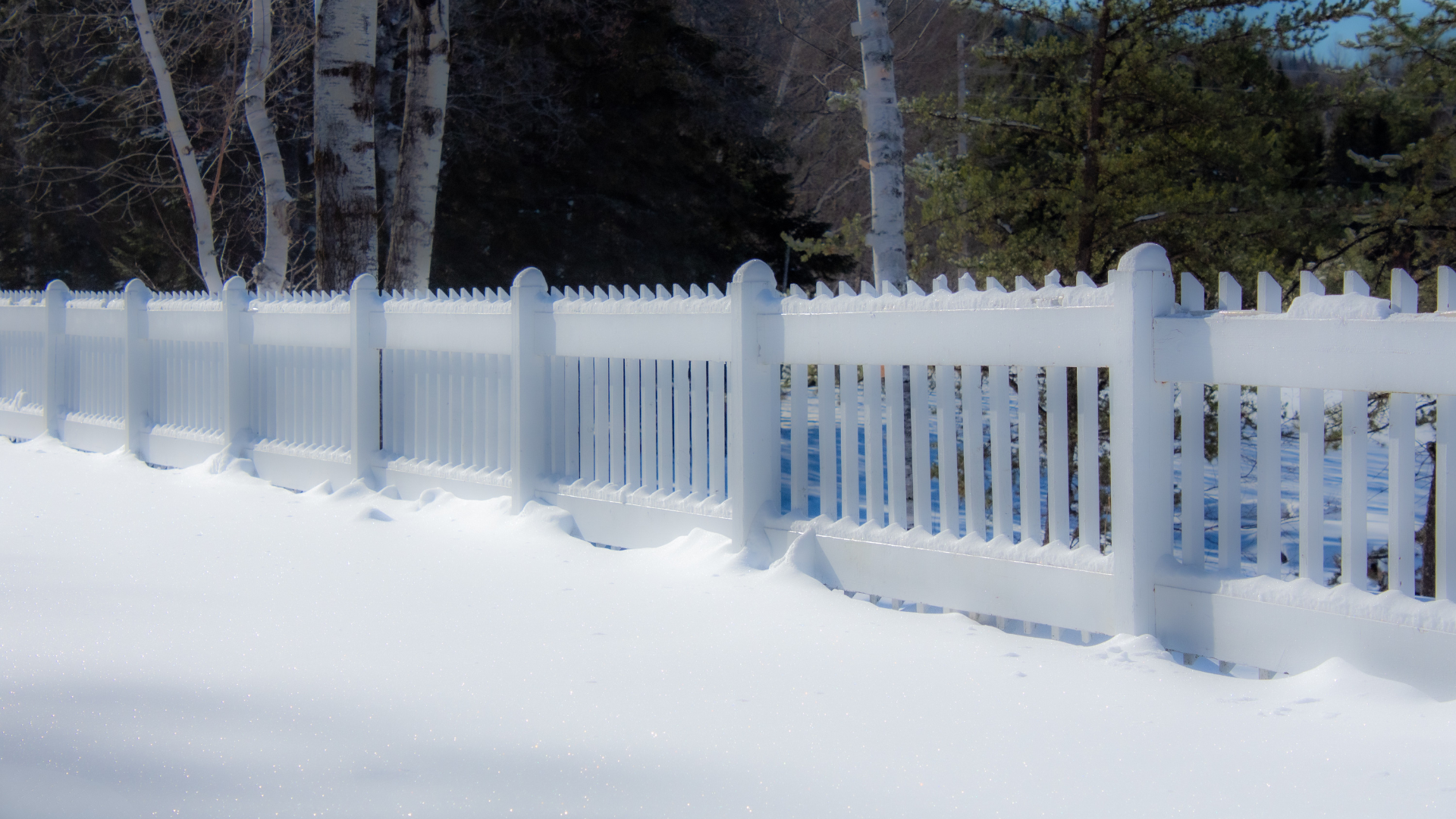
The short answer is yes—vinyl fencing performs exceptionally well in winter and is designed to withstand freezing temperatures, moisture, and snow. In fact, when compared to wooden fences and even some metal types, vinyl often offers superior durability and lower maintenance.
In this guide, we’ll take a detailed look at how vinyl fencing behaves in cold weather, how it compares to wood and aluminum, and why it may be the best choice for your residential fence installation or commercial fence installation this winter.
Understanding Vinyl Fence Performance in Cold Weather
Vinyl Doesn’t Absorb Moisture—A Major Winter Advantage
Winter’s biggest enemy to fencing is moisture. Snow, ice, and cold rain all seep into porous materials—especially wood—and cause swelling, warping, or rot.
Vinyl fencing, however, is nonporous, meaning it does not absorb water. This makes vinyl:
- Resistant to freeze–thaw damage
- Unaffected by moisture expansion
- Less prone to cracking from internal ice pressure
- Safe from mold, mildew, and rot
For climates where temperatures drop below freezing, vinyl is a reliable option that stays structurally sound no matter how wet or icy it gets.
UV and Cold Weather Additives Keep Vinyl Flexible
Modern vinyl fencing is engineered with additives that protect against both UV rays and cold-weather brittleness. While older vinyl products could become fragile in freezing temperatures, today’s vinyl is made to maintain enough flexibility to resist cracking under normal winter conditions.
This flexibility helps vinyl fence panels withstand:
- Strong winter winds
- Snow pressure
- Minor impacts from falling branches or ice
Note: Like all materials, vinyl has limits. Extremely cold climates (consistently below 0°F) may make it more brittle, but this is rarely a concern in Tennessee, including Clarksville.
How Vinyl Fencing Compares to Other Materials in Winter
Not all fences respond to cold weather in the same way. Here’s how vinyl stacks up against wooden fences and aluminum fences, two common alternatives.
Vinyl Fence vs. Wooden Fence in Cold Weather
Wood Struggles with Moisture and Freeze–Thaw Cycles
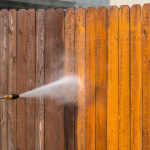
Wood is beautiful, but it’s also highly vulnerable in winter. Unlike vinyl, wood absorbs moisture, and when temperatures drop, trapped water freezes and expands, causing:
- Cracking
- Splitting
- Warping
- Rotting
- Mold and fungus growth
In Clarksville’s mix of cold snaps and thaw cycles, these issues can escalate quickly. Wood also requires regular staining, sealing, and repair—especially when exposed to winter weather.
Vinyl Outperforms Wood in Every Winter Category
Vinyl fencing:
- Won’t rot
- Won’t absorb moisture
- Won’t require seasonal painting or sealing
- Retains its shape despite temperature swings
For homeowners wanting low maintenance and long-term durability, vinyl is the clear winner for winter handling.
Vinyl Fence vs. Aluminum Fence in Cold Weather
Both vinyl and aluminum are excellent winter performers, especially compared to wood. However, each has its strengths.
Aluminum Is Extremely Weather-Resistant
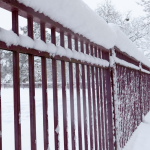
An aluminum fence is one of the best fencing materials for winter climates. Aluminum does not rust, does not absorb moisture, and handles temperature changes better than many metals.
Unlike steel, aluminum won’t corrode from winter precipitation or de-icing salts. It remains structurally stable throughout the season.
Aluminum Won’t Provide Privacy in Winter
The biggest difference? Vinyl fencing offers full privacy, which becomes particularly valuable when:
- Trees lose their leaves
- Properties become more exposed
- You spend more time indoors or in hot tubs, patios, etc.
Aluminum fencing excels in durability and beauty, but if winter privacy is a priority, vinyl is the better option.
Vinyl Fence vs. Chain Link Fence in Winter
A chain link fence is another strong cold-weather performer. Galvanized or coated chain link doesn’t warp, rot, or crack in winter. It’s tough and cost-effective—but it doesn’t offer the benefits of vinyl.
Vinyl provides:
- Superior privacy
- More aesthetic appeal
- Better containment for dogs who climb
- Stronger wind protection
- No see-through sections
Chain link provides:
- Durability
- Affordability
- Minimal snow/wind pressure
Both materials hold up well in winter, but vinyl offers more functionality for residential privacy and aesthetics.
Winter Maintenance Tips for Vinyl Fencing
Vinyl fencing is low maintenance year-round, but a few seasonal habits will help extend its life even more.
1. Remove Heavy Snow Buildup
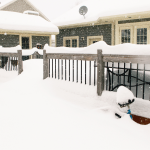
While vinyl is strong, excessive snow pressure can strain any fence. Use a broom to gently remove snow—never a shovel.
2. Check Posts for Soil Shifting
Freeze–thaw cycles can move soil around posts. Make sure they’re still standing straight.
3. Keep Debris Away
Leaves, branches, and moisture-collecting organic matter can freeze onto the fence. Remove debris to keep vinyl panels clean.
4. Rinse with Warm Water if Needed
If dirt or salt accumulates, a simple rinse keeps your fence looking new.
Is Vinyl the Best Choice for Your Home This Winter?
If you want a fence that:
- Handles moisture
- Survives cold weather
- Requires minimal upkeep
- Offers full privacy
- Boosts curb appeal year-round
…then a vinyl fence is an excellent choice.
Whether you’re looking at residential fence installation, upgrading your backyard, or exploring options for commercial fence installation, vinyl provides durability that lasts through every season.
As your trusted local fence company in Clarksville, we offer high-quality vinyl, aluminum, and chain link fencing options designed to withstand Tennessee’s winter conditions. Ready to get started? Request a quote today